

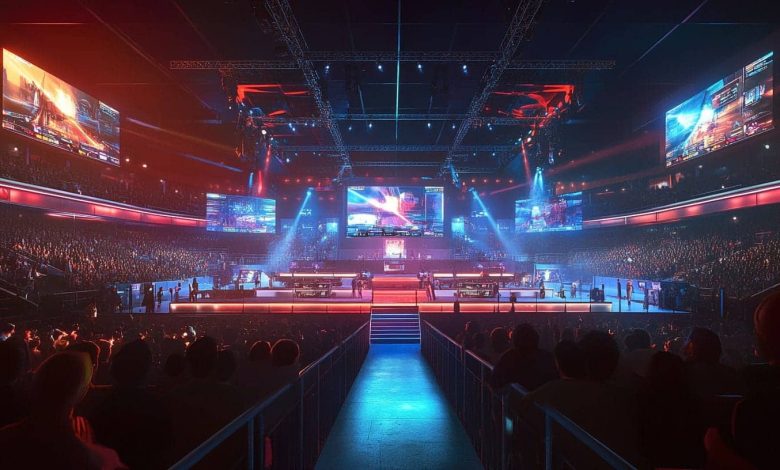
Esports keeps pulling in bigger crowds every season. By April 2026 the scene feels more global than ever with packed arenas in Asia Europe and the Middle East. Fans tune in from living rooms offices and even phone screens during commutes. The games mix fast reflexes team strategy and raw endurance. Players train like athletes now with coaches analysts and recovery routines. This year the schedule lines up some of the strongest tournaments yet. Organizations pour millions into rosters and venues. Viewership numbers hit records in several titles already. New regions step up while veterans hold their ground. Anyone who follows the action knows the difference between a regular match and one that defines a season. The rivalries feel personal after so many years of the same squads clashing. Plenty of spectators who follow these clashes also dabble in jackpotjill real money online pokies when they want a quick break from the marathon streams.
Table of Contents
Mobile Legends Bang Bang World Championship
Mobile Legends Bang Bang World Championship set the tone early. The M7 ran from January 3 to 25 in Jakarta Indonesia. Aurora Gaming from the Philippines took the title after a gritty final. Indonesian squads like Alter Ego and ONIC Esports drew insane watch hours with crowds chanting nonstop. One squad alone racked up over 52 million hours watched in a single month. That kind of fan energy turns a tournament into a national event. Teams rely on quick rotations and hero picks that punish mistakes in seconds. The mobile format lets anyone jump in without expensive gear. Players from Southeast Asia dominate the leaderboards and their success inspires kids in smaller cities to grind ranked games after school. The prize pool and crowd reactions made it clear this title belongs among the heavy hitters now. The event showed how far mobile esports has come in just a few short years.
Valorant Champions Tour Highlights
Valorant Champions Tour keeps expanding its reach. The 2026 season kicked off with regional kickoffs in January and February. Americas EMEA China and Pacific leagues sent their best to international stages. The Masters in Santiago Chile marked the first time a major Valorant event landed in Latin America. Twelve top teams battled it out in a format that rewards clutch plays and map control. Later the Champions event heads to Shanghai. Organizations like Sentinels and other regional powerhouses rotate rosters to stay fresh. The tactical shooter demands perfect communication and agents that shift the meta overnight. Fans love the agent picks because one wrong choice costs rounds. Broadcasts show player cams and voice comms so viewers feel the tension. The circuit builds toward a true world champion every year and the growth in viewership shows no signs of slowing. Regional qualifiers added extra layers of competition that kept things unpredictable from the start.
Counter-Strike 2 Major Events
Counter-Strike 2 delivers consistent high-level competition through the year. IEM Kraków in late January and early February drew huge numbers with a million-dollar prize. Teams grind through BLAST Premier events and ESL Pro League stops. PGL events pop up in places like Bucharest and Cluj-Napoca. The major cycle includes stops in Singapore and other cities. Squads such as Team Vitality Natus Vincere and Team Falcons trade blows in best-of-three series that last hours. Map pools change and utility usage decides who advances. Players practice lineups for smokes and flashes until they become second nature. European teams still lead the pack but North American and Asian rosters close the gap each split. The scene rewards experience. Veterans who adapt to patch changes keep their spots while rookies push the pace. Watching a major final feels like a chess match with guns. The production quality at these stops makes every round feel bigger than the last.
League of Legends Professional Leagues
League of Legends professional leagues run year-round with regional intensity. The LCK Cup wrapped its early 2026 stretch in South Korea while the LPL in China and LEC in Europe followed tight schedules. T1 remains a benchmark squad with star players who carry expectations from fans across the globe. Top Esports in the LPL shows strong form too. Spring and summer splits feed into the Worlds tournament later in the year. The meta shifts with champion reworks and item updates that force teams to rebuild drafts. Mid laners and bot lane duos often decide series. Korean teams emphasize clean execution while Chinese squads bring aggressive early-game pressure. Broadcasts include player interviews that reveal the mental side of the grind. Fans debate patch notes online for weeks. The international stage at Worlds always delivers drama because one bad day ends a season. Teams balance individual talent with group coordination in ways that separate the good from the great.
Esports World Cup in Riyadh
The Esports World Cup takes over Riyadh from July 6 to August 23. Organizers scheduled 25 events across 24 games with a total purse around 75 million dollars. Clubs send rosters for multiple titles at once. The multi-game format lets fans sample everything from MOBAs to shooters in one trip. Prize pools for individual tournaments reach two or three million each. Teams like Team Liquid and Team Falcons compete in several brackets. The event turns the city into an esports hub with live crowds and massive screens. Players balance travel fatigue with performance. Support staff handle everything from practice facilities to meal plans. This setup highlights how far the industry has come from small LAN cafes. Viewers switch streams between games and discover new favorites. The scale attracts sponsors who see the long-term value in live audiences. Organizers added fan zones and interactive exhibits that made the whole experience feel more hands-on than previous years.
Standout Teams and Other Titles
Standout teams cut across games and regions. Team Vitality dominates CS2 brackets with disciplined executes. T1 carries the weight of LoL history and still finds ways to innovate drafts. Aurora Gaming proved mobile titles can produce world-class organizations after their M7 run. FaZe Clan mixes FPS talent with strong brand presence. Team Spirit and G2 Esports rotate talent to stay competitive in multiple titles. These squads invest in youth academies and content creators to build fan bases that last. Players stream their practice sessions and share tips which grows the player pool. Organizations handle contracts travel and mental health support better than they did five years ago. The best teams treat esports like a full business while keeping the competitive fire alive.
Apex Legends Global Series Championship added its own spotlight in January in Japan. Oblivion claimed the title after close fights in the final circles. The battle royale format rewards third-party positioning and smart rotations. Teams practice for hours to master legend abilities and zone control. North American and Asian regions produce consistent contenders. The game updates keep the meta fresh so no squad stays on top forever. Other titles like Dota 2 maintain their dedicated circuits with The International still on the horizon. Fighting games see renewed interest with events featuring Street Fighter and newcomers. Each scene brings different skill sets yet shares the same drive for perfection. Following these events means more than checking scores. The stories behind the rosters matter.
A player who grinds from solo queue to pro stage inspires viewers who chase the same path. Regional rivalries add flavor especially when home crowds pack venues. Broadcast production improves every season with better replays and stats overlays. Anyone new to the scene can start with one game and branch out. The calendar leaves little downtime but that keeps things exciting. Mark the dates for the next major stop and watch how squads evolve. The 2026 season already delivered surprises and more wait ahead.