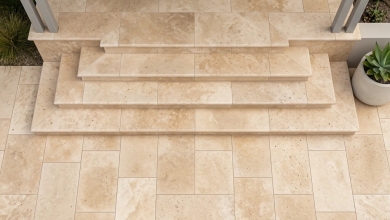
Design Forecast 2026: How Travertine is Shaping Modern Outdoor Aesthetics


It is a well-known fact that Australian homes have always had a strong connection to the outdoor living. Courtyards, backyards, patios and alfresco areas are not mere add-ons to your interiors. They are part of everyday Aussie life. And as we move into 2026, the way our homes look and feel is becoming calmer, more natural and more cohesive. Right at the centre of this shift, one paving material that is gaining all the limelight is Travertine outdoor tiles.
Travertine is not a new material, but the way Australians are using it definitely is. This timeless and beautiful natural stone which takes millions of years to come into existence is no longer just about designing a nice patio or pool surround. In 2026, Travertine is shaping the overall aesthetic of homes, creating spaces that feel relaxed, elegant and easy to live with.
Let’s take a closer look at what is driving this trend and why Travertine fits so naturally into Australian homes.
Table of Contents
Natural, Calm Homes are Leading the Way in 2026
One thing is clear in the 2026 design forecast that loud designs and overly polished looks are not going to be the first choice. Homeowners are leaning towards softer colours and materials that don’t feel too done.
This is also one of the reason Travertine outdoor tiles are winning hearts. Their calming shades, gentle colour variation and raw veining patterns give spaces a lived-in feel from day one. Instead of chasing perfection, 2026 design celebrates authenticity and calmness and Travertine delivers that effortlessly.
Homes are being designed to feel calm rather than heavy on your mind. Warm neutrals, fewer materials and surfaces that age gracefully rather than wear out are way to go.
Outdoor Living Continues to Shape Home Design
If there is one area where Travertine is really making an impact, it is outdoor living. In Australia, we are not just using outdoor areas occasionally. They are designed as extensions of the home.
In 2026, Travertine outdoor tiles are being used across patios, alfresco dining areas, pool surrounds and garden pathways, often all in one continuous flow. This creates consistency and makes outdoor spaces feel intentional.
Travertine is a highly durable and strong natural stone. It remains naturally cool underfoot which is a big plus in warmer climates and its slip-resistant surface suit family homes perfectly. It is a perfect balance of practicality and beauty which is exactly what modern Australian homes are chasing.
Seamless Indoor-Outdoor Flow is Still Going Strong
The line between indoors and outdoors continues to blur in 2026. Large sliding doors, level thresholds and open layouts mean materials need to show across both zones.
Designers are increasingly pairing indoor flooring with Travertine outdoor tiles outside to create one continuous look. When done well, it makes homes feel larger, more open and more connected to nature.
This does not mean everything has to match perfectly. Slight variations in finish or format keep the look interesting while still feeling cohesive. Travertine makes this easy because it never looks flat or artificial.
You can also pair Travertine with other natural stones that complement each other. For example, the subtle shades of Marble flooring would definitely bring the understated luxury to your home when it is paired with the right shade of Travertine.
Softer Neutrals Are Replacing Cool Greys
For years, cool greys dominated Australian interiors. In 2026, warmer shades are firmly back. Creams, sands, soft beiges and more earthy shades are leading the way and Travertine fits right in.
Unlike stark white colour or high-gloss flooring, Travertine offers warmth without feeling heavy. It reflects light softly, adds texture without clutter and works beautifully with other design elements.
This makes Travertine outdoor tiles especially popular for homes aiming for a relaxed coastal, Mediterranean or modern Australian look.
But if you don’t want to switch to warmer shades and like to stick to grey tones only, you can again go for Travertine available in silver or grey shades.
Less Maintenance, More Living
Another reason Travertine is shaping home aesthetics in 2026 is lifestyle. People want homes that look good without demanding constant upkeep.
Travertine does not try too hard to look premium and elegant. It is intrinsically beautiful and feels extremely sophisticated without needing much care. It hides minor marks, handles daily wear and does not show dirt the way manufactured surfaces often do. Compared to human engineered options like concrete or porcelain, Travertine feels more practical and long-term for busy households.
This low-fuss appeal makes Travertine outdoor tiles a smart choice for families, people who love hosting and anyone who would rather enjoy their space than stress about it.
Small Details are the New Statement Feature
This new year, big and bold feature pieces are being replaced by different small details your space has. Instead of one dramatic design element, homes are being layered with subtle details that work together.
Travertine has natural vein-like patterns and its gentle shade movement creates interest without overpowering a space. Used on floors, steps or even low walls, Travertine outdoor tiles add depth while still letting furniture, plants and light offer their beauty.
Conclusion: Travertine Feels Right for 2026 and Beyond
Trends come and go, but materials that feel honest and timeless tend to stick around. When you choose Travertine, you are not just chasing what is new. You are choosing something that feels right now and still will years down the track.
In 2026, homeowners are designing spaces that support how they actually live in barefoot summers, outdoor dinners, kids running in and out and weekends spent at home. Travertine outdoor tiles suit this lifestyle naturally.