

Workplace safety is a fundamental responsibility for every employer. As many industries increasingly rely on mobile teams, remote staff, and lone workers, the risks employees face while performing their duties have evolved. Workers may travel between sites, enter unfamiliar environments, or work alone for extended periods without direct supervision. In these situations, immediate assistance may not always be available if something goes wrong.
GPS duress alarms provide an effective way to reduce these risks. These personal safety devices allow employees to discreetly raise an alarm and share their real-time location if they feel threatened, injured, or require urgent help. By enabling rapid communication and response during emergencies, GPS duress alarms play an important role in both preventing incidents and ensuring quick assistance if an event occurs.
For organisations that employ lone workers or staff operating in unpredictable environments, implementing GPS duress alarms can be a vital step toward improving safety, protecting employees, and fulfilling workplace safety responsibilities.
What Are GPS Duress Alarms?
A GPS duress alarm is a personal safety device designed to allow workers to quickly alert others if they encounter danger or require assistance. These devices are typically compact and easy to carry, often worn on a belt, around the neck, or integrated into a smartphone application.
Most GPS duress alarms, such as those supplied by SafeTCard, include several key features:
- Emergency panic button – Allows the user to send an immediate distress alert.
- GPS location tracking – Transmits the worker’s location to a monitoring centre or designated contacts.
- Two-way communication – Enables responders to listen to or speak with the worker.
- Automatic fall or “man-down” detection – Triggers an alert if the user falls or becomes immobile.
- 24/7 monitoring capabilities – Ensures that trained operators or supervisors can respond quickly when an alarm is activated.
These features ensure that employees working alone or in high-risk environments are never truly isolated. Even if an employee cannot communicate verbally, their location and status can still be transmitted so help can be sent quickly.
Why GPS Duress Alarms Are Important for Worker Safety
GPS duress alarms provide multiple safety benefits that make them particularly valuable for organisations employing lone workers or staff operating in unpredictable environments.
Faster Emergency Response
One of the most important advantages of a duress alarm is the ability to summon help instantly. In the event of an accident, medical emergency, or violent encounter, a worker can trigger an alert immediately.
Because the alarm transmits GPS coordinates, responders can identify the worker’s exact location and dispatch assistance quickly. This can significantly reduce response times and improve outcomes in emergencies.
Preventing and Deterring Incidents
Although these devices are primarily designed for emergency situations, they can also act as a deterrent. Workers who carry visible personal safety devices may be less likely to be targeted by aggressive individuals, particularly in customer-facing roles.
Some systems also allow employees to initiate silent monitoring or discreet alerts before a situation escalates, enabling supervisors or monitoring teams to intervene early if necessary.
Protection When Workers Cannot Call for Help
Accidents and medical emergencies sometimes leave employees unable to call for assistance themselves. For example, a fall, head injury, or sudden illness may prevent a worker from pressing a panic button.
Many GPS duress alarms include automatic motion detection that triggers an alert if the worker becomes immobile or falls. This feature ensures that assistance can still be summoned even if the employee cannot manually activate the device.
Increased Confidence and Peace of Mind
Knowing that help is only a button press away can significantly improve workers’ sense of security. Employees who feel safe are more likely to perform their roles confidently and effectively.
Providing personal safety technology also demonstrates that an organisation takes the wellbeing of its staff seriously, which can improve morale and build trust between employees and employers.
Roles and Industries That Benefit Most from GPS Duress Alarms
While many workers can benefit from personal safety devices, certain roles face elevated risks due to isolation, travel, or interactions with members of the public.
Healthcare and Community Care Workers
Healthcare professionals who visit patients in their homes often work alone in unfamiliar environments. Community nurses, aged care staff, and social workers may encounter situations involving distressed individuals or unpredictable behaviour.
A discreet duress alarm allows them to call for assistance quickly if they feel threatened or unsafe.
Field Technicians and Maintenance Workers
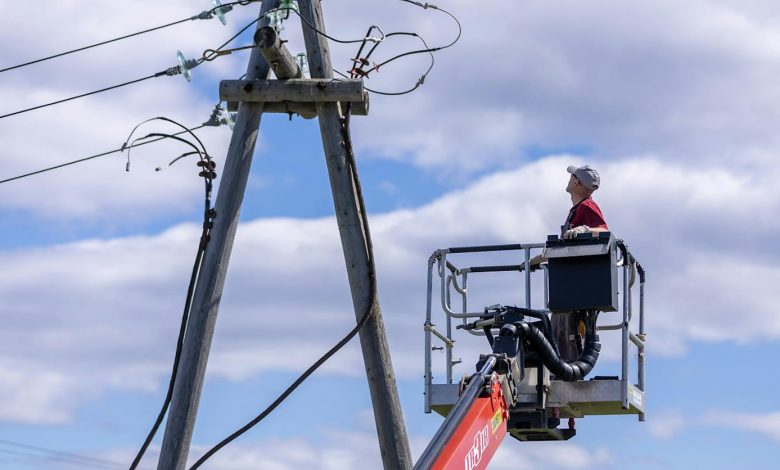
Utility workers, telecommunications technicians, and infrastructure maintenance staff frequently work in remote or hazardous locations. These roles may involve climbing structures, working with electrical systems, or entering isolated environments.
If an accident occurs, GPS tracking allows emergency responders to locate the worker quickly and provide assistance.
Security Guards
Security personnel often patrol large properties or monitor facilities during night shifts when few other staff are present. This isolation increases the risk if an incident occurs.
A duress alarm enables security staff to immediately alert colleagues or emergency services if they encounter intruders or threatening behaviour.
Real Estate Agents and Property Inspectors
Real estate professionals regularly conduct property inspections and showings with members of the public, often in empty buildings or unfamiliar locations.
Personal safety alarms provide an additional layer of protection and reassurance during these interactions.
Delivery Drivers and Transport Workers
Drivers may spend long periods travelling alone and making deliveries in unfamiliar areas. Risks can include robbery, assault, accidents, or medical emergencies.
With a GPS duress alarm, drivers can alert support teams quickly and share their location if they require help.
Retail and Hospitality Workers
Employees working late shifts or opening and closing businesses may find themselves alone in the workplace. A personal alarm provides a quick way to request assistance if they encounter aggressive customers or security issues.
Employer Responsibilities Under Australian Workplace Safety Laws
In Australia, employers have a legal responsibility to ensure the health and safety of workers as far as reasonably practicable.
Under the Work Health and Safety Act 2011 (WHS Act), employers—referred to as Persons Conducting a Business or Undertaking (PCBUs)—must provide a work environment that is safe and without risks to health. This duty includes identifying potential hazards, assessing risks, and implementing appropriate control measures to protect workers.
Lone working arrangements must be carefully assessed to ensure that workers are not exposed to unnecessary risk.
The Work Health and Safety Regulations 2011 require organisations to manage risks associated with workplace hazards and ensure that workers have appropriate systems in place to communicate and obtain assistance if needed.
Safe Work Australia guidance on managing the risks of remote or isolated work also emphasises the importance of reliable communication systems. Employers must ensure that workers can quickly contact someone who can organise assistance if an emergency occurs.
Providing GPS duress alarms is one way organisations can demonstrate that they have implemented practical measures to manage these risks.
Supporting Worker Safety Beyond Technology
While GPS duress alarms are highly effective safety tools, they should be part of a broader workplace safety strategy.
Other important measures include:
Risk Assessments
Employers should identify hazards associated with lone working and determine appropriate control measures to reduce risk.
Safety Training
Workers should receive training in personal safety awareness, conflict de-escalation techniques, and emergency procedures so they can respond effectively to potentially dangerous situations.
Regular Check-In Procedures
Scheduled check-ins or monitoring systems help ensure that workers remain accounted for and that assistance can be dispatched quickly if contact is lost.
Clear Lone Worker Policies
Organisations should develop policies outlining procedures for remote or isolated work, including when and how safety devices should be used.
Conclusion
As workplaces become more mobile and distributed, protecting employees who work alone or in unpredictable environments is increasingly important. GPS duress alarms provide a powerful safety solution by allowing workers to instantly alert others if they encounter danger, share their location, and receive assistance quickly.
These devices not only improve emergency response times but can also deter incidents and give employees greater confidence when performing their duties. For organisations operating under Australia’s Work Health and Safety framework, implementing personal safety technology such as GPS duress alarms can help demonstrate a proactive commitment to protecting workers.
When combined with proper training, risk assessments, and clear safety procedures, GPS duress alarms form a critical part of a comprehensive workplace safety strategy—helping ensure that workers stay connected, supported, and safe wherever their job takes them.