

Walk through most grazing paddocks, and you’ll often see weeds growing well above the grass. Thistles, ragwort and rushes are common examples, and tussock grasses like giant rat’s tail grass and African lovegrass also outgrow pasture. These tall weeds are easy to spot, but they shade good pasture, drop seed across paddocks and, in some cases, put stock at risk.
When you know why these weeds outgrow your pasture, you can tackle both the cause and the weeds. Their height also lets you treat them without harming your pasture.
Table of Contents
Why Weeds Grow Taller Than Pasture Grass
Stock Graze Around Them
Most tall weeds survive because stock don’t want to eat them. Thistles are prickly, tussock grasses like giant rat’s tail grass have tough leaves with little feed value, and stock usually avoid ragwort when they have other feed. Stock graze the better grasses around these weeds instead and leave the weeds alone. Each grazing gives weeds more light and space while pasture gets shorter.
They Grow Differently From Pasture Grass
Many weeds naturally grow taller than pasture. Thistles and ragwort start as flat rosettes close to the ground, then produce tall flowering stems to spread their seed. Tussock grasses form dense clumps and grow larger each season, while rushes and bracken form thick stands and smother surrounding grass.
Overgrazing and Bare Ground
When stock graze pasture too hard, grass struggles to recover and gaps appear. Weeds establish quickly in these thin or bare patches, particularly in disturbed ground around gateways, troughs and stock camps.
Seasons and Soil Conditions
Pasture growth slows during dry spells, cold weather and periods of low soil fertility, but many weeds keep growing through these times. As pasture slows, weeds start to dominate. A soil test shows whether low fertility is limiting your pasture, helping you fix the cause instead of only treating weeds.
Why Tall Weeds Are a Problem
Tall weeds compete with pasture for light, water and nutrients, leaving less feed for your stock. Some, such as ragwort and fireweed, are toxic to livestock, while tussock grasses like giant rat’s tail grass can greatly reduce a paddock’s carrying capacity.
By the time weeds reach full height, most are close to flowering and setting seed. Wind, water, stock and machinery then carry that seed across your property, so the longer you leave them, the bigger the job becomes.
How to Manage Weeds That Grow Above the Grass
Identify the Weed First
Different weeds need different treatments, so identify each weed before choosing a herbicide or method. Check its leaves, stems, flowers and growth habit, and if you’re unsure, ask your local council or agriculture department. Correct identification also tells you whether a weed is toxic to stock or a declared weed you must control.
Strengthen Your Pasture
Thick, healthy pasture leaves weeds very little room to establish. Avoid grazing paddocks to bare ground, give pasture time to recover between grazings and fix weak areas caused by poor drainage or compaction. After treating weeds, resow bare patches to stop new seedlings filling the gaps.
Better pasture won’t kill existing weeds, but it helps prevent new infestations.
Wipe the Weeds That Stand Above the Grass
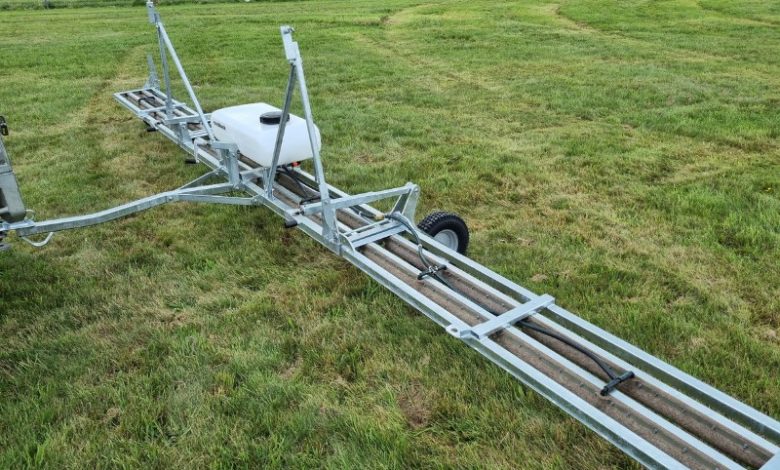
Because tall weeds grow above the pasture, you can treat them by wiping. Instead of spraying a whole paddock, a wiper applies herbicide only to plants tall enough to reach its wicks, leaving shorter grass and clover untouched.
AWeedwiper has two rows of thick wicks, and a pump keeps them soaked with herbicide without dripping onto pasture. A front bruise bar damages each weed before the wicks reach it, helping the plant absorb more herbicide. On trailed models, you can set the wicks as high as 500mm, clearing the grass while still reaching weeds. With herbicide touching only weeds, you use less chemical than blanket spraying and avoid spray drift.
For the best results:
- Wipe weeds while they’re actively growing, not when heat or dry weather has stressed them
- Graze the paddock first, so you can set the wicks lower
- Keep wicks very wet but not dripping
- Drive at around 10 km/h, and slower in thick patches
- Wipe from two directions to cover both sides of each plant
Wiping does have limits. It won’t reach rosettes or weeds level with the grass, and tough, woody weeds may need extra passes from different directions. Always choose a herbicide suited to the weed, and follow its label for rates and grazing withholding periods.
Check Paddocks After Treatment
Weeds don’t always die after one treatment, and seed in your soil will keep producing new plants. After giving the herbicide time to work, check treated areas for surviving plants, missed strips and new seedlings. Treat any regrowth early, while plants are few and before they set seed.
Keep a simple record of where weeds appear and how you treated them, so you can see which paddocks need most attention each season.
Manage Tall Weeds Before They Spread
Tall weeds usually have an advantage over your pasture, whether it’s stock avoiding them, overgrazing or a season favouring weeds over grass. Identify each weed, strengthen your pasture and treat tall weeds before they set seed, and you’ll see fewer of them each season.